Grease Fire Prevention: Why the Bare Metal Standard Matters for Your Commercial Kitchen
If you have worked in a commercial kitchen for any length of time, you know that the heat is relentless. Not just from the ovens and fryers, but from the pressure to keep tickets moving while staying on the right side of the fire marshal. Of all the hazards you face daily, grease fire prevention is the one that keeps experienced operators up at night. A grease fire in a restaurant does not just ruin dinner service. It can close a business for weeks, and in the worst cases, it can injure people and destroy property.
The good news is that most kitchen grease fires are preventable. The key is understanding how grease behaves once it leaves the frying pan, and what the industry standards actually require to keep your exhaust system clean enough to stop a fire before it starts. This is where the bare metal standard from NFPA 96 comes into play, and it is not just a suggestion. It is the baseline for safe operation in any professional kitchen.
How Grease Travels and Where It Hides
When you heat cooking oil to frying temperature, some of it vaporizes. That vapor rises into the grease hood, where it cools and condenses on every surface it touches. The hood filter catches a lot of it, but not all. The rest travels through the ductwork and collects on the walls of the exhaust duct, on the blades of the exhaust fan, and inside the grease trap. Over time, this grease buildup becomes a fuel source. A single spark from an overheated exhaust fan motor, or a flame that licks past a hood filter, can ignite that accumulated grease and turn a small kitchen fire into a catastrophic event.
I have seen kitchens where the ductwork looked clean from the outside but was lined with a quarter-inch of hardened grease inside. The crew thought they were safe because they sprayed degreaser on the visible surfaces every night. They did not realize that the real danger was hiding above the ceiling tiles. That is why NFPA 96 exists. It sets the rules for how often and how thoroughly you must clean every part of the kitchen exhaust system, all the way to the roof.

What NFPA 96 Actually Requires
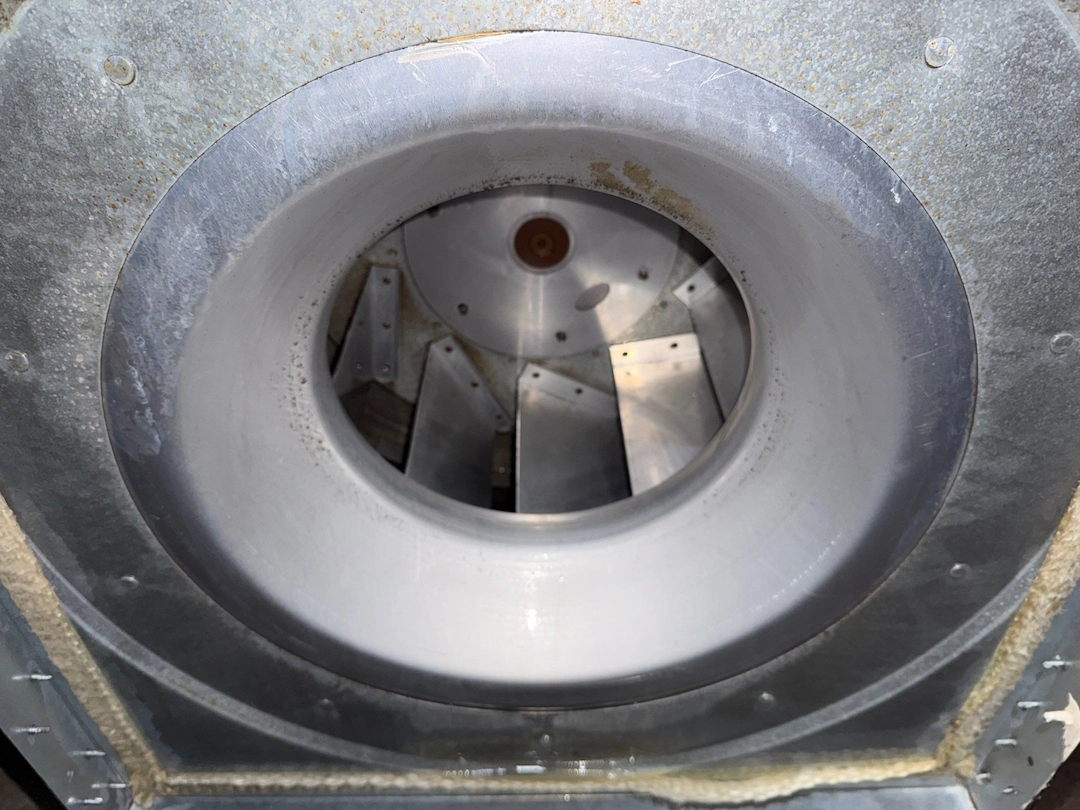
NFPA 96 is the standard for ventilation control and fire protection of commercial cooking operations. It covers everything from the design of the grease hood to the frequency of deep cleaning. The most important part for grease fire prevention is the bare metal standard. This means that after a cleaning, every interior surface of the exhaust system must be free of visible grease. No residue, no film, no buildup. You should be able to run your finger across the inside of the ductwork and come away clean.
Meeting that standard is not easy. It requires a professional cleaning company with the right tools and training. The cleaning schedule depends on how much cooking you do. A high-volume fast food restaurant that runs fryers all day may need cleaning every three months. A smaller operation with lighter use might get by on a six-month schedule. The fire marshal in your area will enforce the schedule based on NFPA 96, and if you fail an inspection, you can face fines or even a shutdown order.
Beyond Cleaning: The Fire Suppression System
Cleaning is your first line of defense, but it is not the only one. Every commercial kitchen must have a fire suppression system that meets UL 300 standards. This system sits above the cooking equipment and connects to the hood. When a fire breaks out, the system discharges a wet chemical agent that smothers the flames and cools the ignition source. It is a critical backup if a grease fire starts despite your best prevention efforts.
But a fire suppression system is not a substitute for regular cleaning. If the ductwork is packed with grease, the suppression agent may not reach the fire before it spreads beyond the hood. The system also needs annual inspections and maintenance to stay code compliant. A fire marshal will check both the cleaning records and the suppression system tags during an inspection. Both have to be in order.
The Abandonment of Grease: A Real Problem
One term that comes up in NFPA 96 discussions is the abandonment of grease. This sounds technical, but it simply means leaving grease in place for so long that it becomes hard and crusty, almost like baked-on tar. Once grease reaches that state, it is much harder to remove and it burns at a higher temperature. If you let abandonment of grease set in, you are essentially turning your exhaust system into a slow-burning fuse.
I once consulted for a restaurant that had been operating for five years without a deep clean. The ductwork was so clogged that the exhaust fan could barely pull air. When the cleaning crew finally went in, they had to use scrapers and rotary brushes to break through the layers. The fire suppression system was still tagged and certified, but if a fire had started, the suppression agent would never have reached past the first foot of duct. That kitchen was a disaster waiting to happen.

Building a Realistic Cleaning Schedule
A good cleaning schedule does not just meet the minimum requirements of NFPA 96. It accounts for your actual cooking volume, the type of oil you use, and the condition of your equipment. Here are the factors that matter most:
- How many hours per day your fryers and grills are running
- The type of cooking oil you use and how often you change it
- The age and design of your grease hood and ductwork
- How often the hood filters are cleaned and replaced
- Any past violations or warnings from the fire marshal
If you track these factors, you can adjust your cleaning frequency proactively. Waiting until the fire marshal flags you is too late. A single fire code violation can trigger a surprise reinspection that costs you time and money.
Practical Steps for Grease Fire Prevention Every Day
Beyond scheduling professional deep cleaning, there are daily habits that reduce the risk of a grease fire. First, clean the hood filters every night. Grease-laden filters restrict airflow and force the exhaust fan to work harder, which increases the chance of an ignition source. Second, watch the temperature of your cooking oil. Overheated oil can reach its flash point and ignite on its own. Third, train your staff to recognize the signs of a grease fire: smoke in the hood, a sudden drop in exhaust performance, or a burning smell that does not come from the food.
If a grease fire does start, never use water. Water causes the grease to explode into a fireball. Your fire suppression system should activate automatically, but if it does not, use a Class K fire extinguisher rated for cooking oils. The best strategy is to prevent the fire from ever starting, which brings us back to the core of grease fire prevention: keeping your exhaust system clean to the bare metal standard.
The Cost of Cutting Corners
I have seen restaurant owners try to save money by stretching the cleaning interval or using a cheaper cleaning service that does not actually meet the bare metal standard. In every case, the short-term savings were not worth the long-term risk. A grease fire can cause hundreds of thousands of dollars in damage, not to mention lost revenue during repairs and the cost of a higher insurance premium afterward. One restaurant I worked with had a grease fire that started in the ductwork and spread to the roof. The building was closed for four months. The owner later told me that if he had known what a proper cleaning schedule cost, he would have written the check without hesitation.
The fire code exists for a reason, and it is based on real incidents. NFPA 96 is updated every few years to reflect new data on how grease fires start and spread. Staying compliant is not just about passing an inspection. It is about protecting your staff, your customers, and your livelihood.
Final Thoughts on the Bare Metal Standard
The bare metal standard is the goal, but it is also the minimum. A truly safe commercial kitchen goes further by integrating daily cleaning habits, regular inspections of the fire suppression system, and a relationship with a professional exhaust cleaning company that understands the specific demands of your operation. Grease fire prevention is not a one-time project. It is an ongoing practice that requires attention, consistency, and a willingness to invest in safety before there is a problem.
If you manage a commercial kitchen, look at your exhaust system with fresh eyes. When was the last time you saw the inside of your ductwork? When did you last check the blades of your exhaust fan for residue? If the answer is unclear, it may be time to schedule a deep cleaning and ask for photos of the results. Seeing bare metal inside your exhaust system is one of the most reassuring sights a kitchen manager can have.